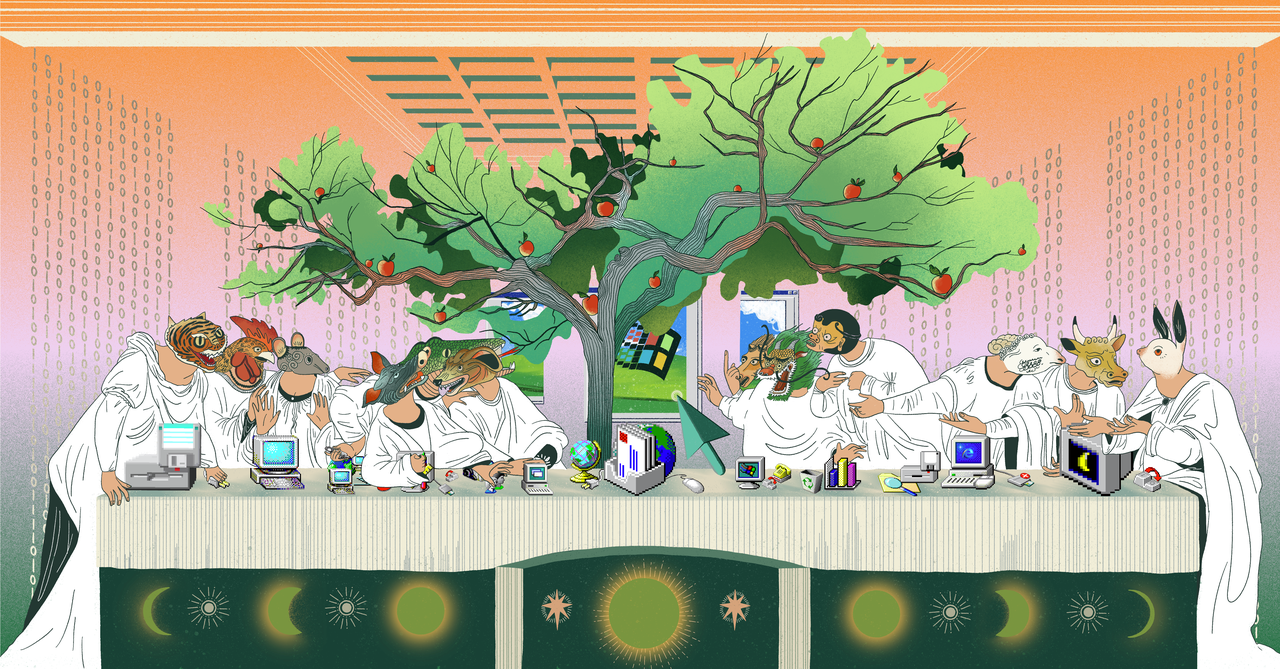
Lessons Learned from a Decade of European Transdisciplinary Innovation
The STARTS report (2026) captures a decade of European experience showing that the most meaningful innovation emerges where art, science and technology meet. Across hundreds of residencies, prizes and regional hubs, STARTS demonstrates how artists bring critical thinking, imagination and human values into research and industry—helping societies address complex challenges such as climate transition, digital ethics, biodiversity loss and new forms of work
-
Author
- S+T+ARTS (STARTS) (2026)
-
Audience
-
Geographical scope
-
Resource type
Contextual commentary by Lena Holmberg (ekip)
The STARTS report (2026) captures a decade of European experience showing that the most meaningful innovation emerges where art, science and technology meet.
Across hundreds of residencies, prizes and regional hubs, STARTS demonstrates how artists bring critical thinking, imagination and human values into research and industry—helping societies address complex challenges such as climate transition, digital ethics, biodiversity loss and new forms of work. Rather than treating innovation as a linear race from lab to market, STARTS reframes it as a systemic, social and cultural process, where experimentation, participation and care are as important as efficiency or scale.
This perspective directly resonates with ekip’s mission and practice. Like STARTS, ekip works to strengthen creative ecosystems where culture, knowledge and technology reinforce each other, enabling inclusive growth and long-term impact. Both emphasise cross-disciplinary collaboration, capacity-building and local relevance, while linking creativity to societal transformation rather than short-term outputs.
In this sense, the STARTS report reads as a strong validation of the approach ekip already embodies: seeing creativity not as decoration or communication, but as a core driver of innovation, resilience and collective futures.