City Case Description: Braga, Cultural Heritage Buildings and Innovative Procurement for CCIS
What happens when cultural heritage and creative industries become drivers of local innovation? In Braga, stakeholders explored how to bring industrial heritage back to life, from transforming working factories into spaces for AI, digital art and intergenerational knowledge exchange to redesigning public funding calls so creative and cultural industries can become partners in innovation across sectors such as health and urban development.
-
Author
- ekip (2026)
-
Audience
-
Geographical scope
-
Region
-
Resource type
How does “prototyping” work?
This City Case Description is the outcome of a policy prototyping exercise within a city ecosystem.
Once the ekip research team has explored a policy area and its connection to cultural and creative
industries (CCIs) and innovation, we ask: what would this mean in a local city context?
Together with local stakeholders, we test how a draft policy recommendation might stimulate innovation. Using Portfolio Sensemaking, stakeholders simulate an innovation portfolio, analyse the strengths and gaps of the local support system, and identify what resources are needed to realise the portfolio.
Braga Context & Area of Focus
Braga’s industrial heritage includes still operating traditional factories, such as a pencil manufacturer and a historic bell factory. Their buildings, machinery and craft know-how are at risk of disappearing along with their often elderly workers.
The local CCIS are mostly small and solo actors who find public calls cryptic, bureaucratic and dependent on intermediaries, and there is strong mistrust between funding layers. Funding exists, but strict rules and the way calls are designed limit both the adaptive reuse of heritage buildings and CCIS access to public money.
Without action, the region risks derelict industrial sites, lost savoir-faire, and public funding that keeps going to the same type of companies.
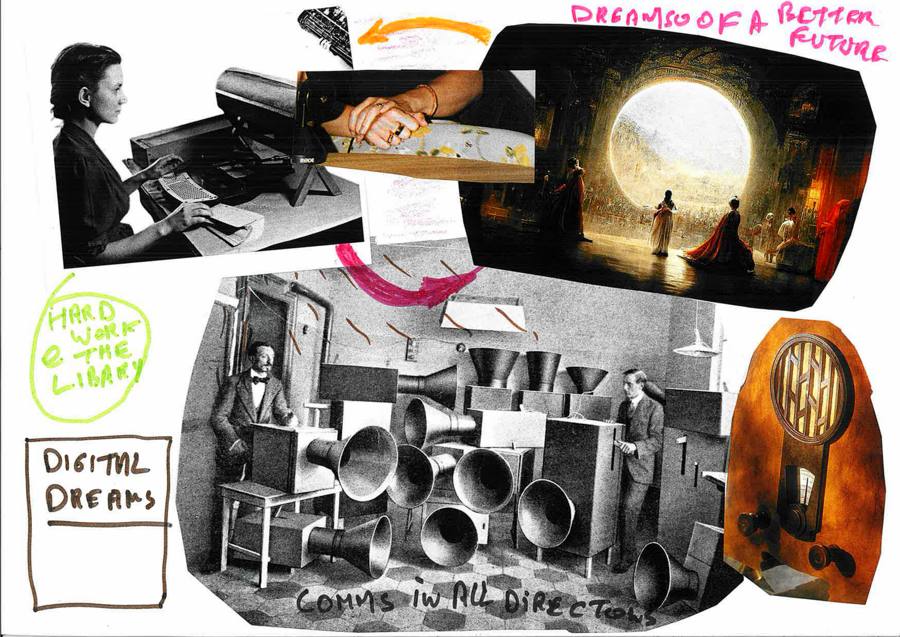
Group 1 (Cultural Heritage Buildings for CCIS) proposes “heritage in use”: an owner-led consortium of around seven stakeholders that turns a working factory into a base for new media art, AI and UX innovation while passing knowledge from older workers to younger generations. The portfolio links heritage with health and social policy by engaging elderly people, mental health groups and youth, and it aims to scale the model to other industries.
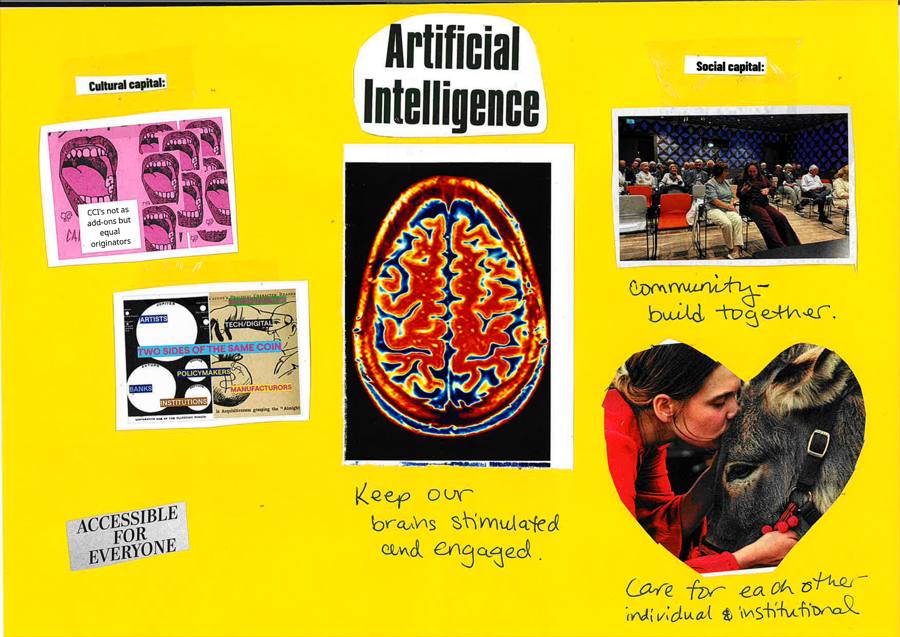
Group 2 (Innovative Procurement for CCIS) shifts the focus from tenders to public calls, proposing a bottom-up, survey-based pilot call coordinated by the ICC Cluster with CCDR-N. The pilot would make CCIS mandatory consortium partners in calls on health, urbanism and other sectors, use accessible language, and value social as well as economic impact.