New strategies to address impacts of AI scraping on gallery, library, archives and museum (GLAM) sector
This resource has been shared by ekip in response to the targeted initiative for artificial intelligence strategy for the cultural and creative sectors. It addresses current harms of automated AI extraction on the cultural heritage sector and this sector-wide ideas for future paths forward.
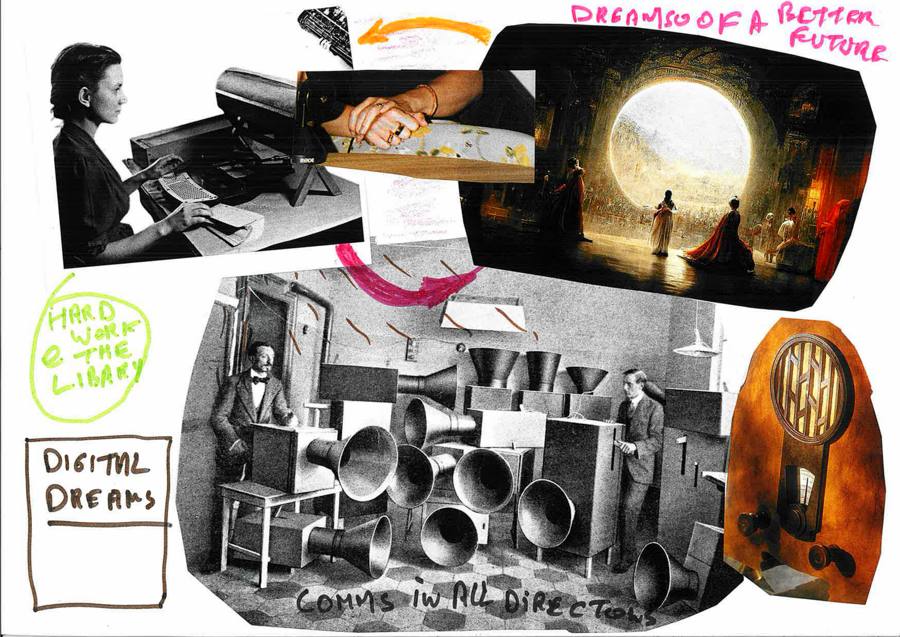
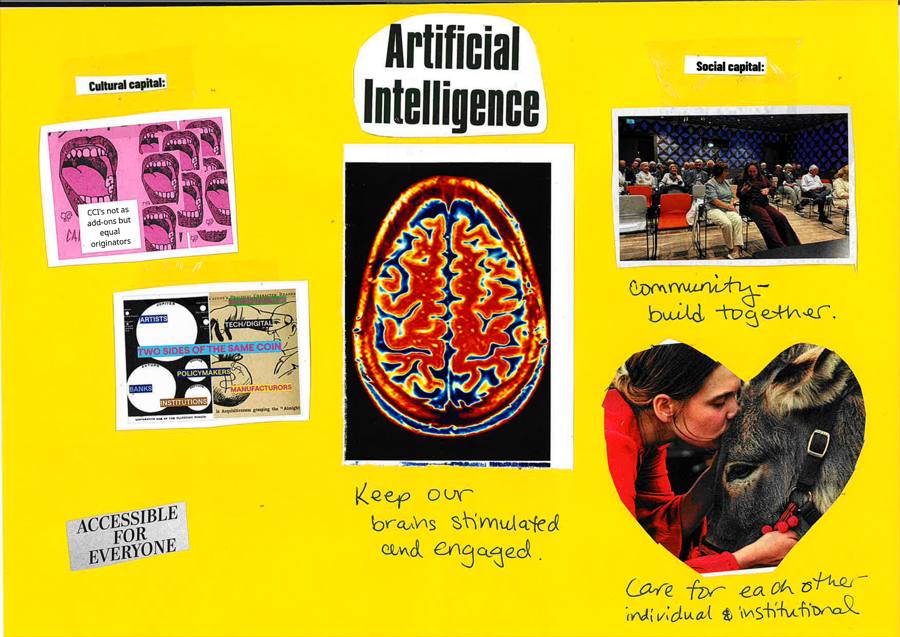 Image: from ‘AI and the Digital Commons: Perspectives from online collections & archives’ workshop
-
Author
- University of Edinburgh, ekip (2026)
-
Audience
-
Geographical scope
-
Resource type
This resource has been shared by ekip in response to the targeted initiative for artificial intelligence strategy for the cultural and creative sectors (see here).
Summary
Threats of large-scale AI scraping to online cultural heritage EU policy strongly recommends that knowledge, information and heritage be shared in an open way, using open access licenses wherever possible, while also recognising the importance of respecting rightsholders’ interests (UNESCO, 2015; Council of Europe, 2005; European Parliament, 2019). To this end, over the past several decades, the European Union has supported a set of measures for digitising cultural heritage and making it widely accessible online (EU Commission, 2011; Cousins, 2018; Ziku and Fabos, 2022).
These infrastructures that sustain open digital heritage are now facing an acute and largely unacknowledged threat: since around 2022, and intensifying dramatically from 2024 onward, cultural heritage institutions have experienced a flood of automated bot traffic from artificial intelligence (AI) companies seeking to scrape data to train generative systems, such as Large Language Models (LLMs). This activity disregards the technical protocols that have governed the open web since its early years and inflicts real, measurable costs on public and taxpayer-funded institutions. The public heritage sector is, as a result, seeing a large transfer of value to private corporations largely without consent, attribution, or remuneration.
This response draws on 48 interviews and two zine-making workshops with 38 stakeholders from cultural heritage, GLAM, open culture and academic sectors as part of the University of Edinburgh’s original and ongoing research. Current research and policy debates on AI and the cultural sector are largely dominated by copyright and licensing questions and risk overlooking the infrastructural and material dimensions of the crisis, and the specific vulnerability of publicly funded, digital heritage infrastructure. We spoke with 25 UK, US and EU institutions in-depth about how AI scraping is affecting their operations, finding shared experiences and concerns across geographic contexts. We also asked all who took part in the research about their ideas for a better path forward towards designing public interest, responsible access to valuable cultural collections, and giving the cultural heritage sector greater parity with the AI industry.
This response reports on our research findings in two parts: 1) current harms of automated AI extraction on the cultural heritage sector and 2) this sector’s ideas for future paths forward.