City Case Description: Tampere & Cross-Innovation with(in) Performing Arts
How can performing arts drive innovation beyond the cultural sector? This Tampere case study explores how policy prototyping and portfolio thinking helped local stakeholders develop new forms of cross-sector collaboration, connecting culture with technology, social sustainability, education, and city development.
-
Author
- ekip (2026)
-
Audience
-
Geographical scope
-
Region
-
Resource type
How does “prototyping” work?
This City Case Description is the outcome of a policy prototyping exercise within a city ecosystem.
Once the ekip research team has explored a policy area and its connection to cultural and creative
industries (CCIs) and innovation, we ask: what would this mean in a local city context?
Together with local stakeholders, we test how a draft policy recommendation might stimulate innovation. Using Portfolio Sensemaking, stakeholders simulate an innovation portfolio, analyse the strengths and gaps of the local support system, and identify what resources are needed to realise the portfolio.
Tampere Context & Area of Focus
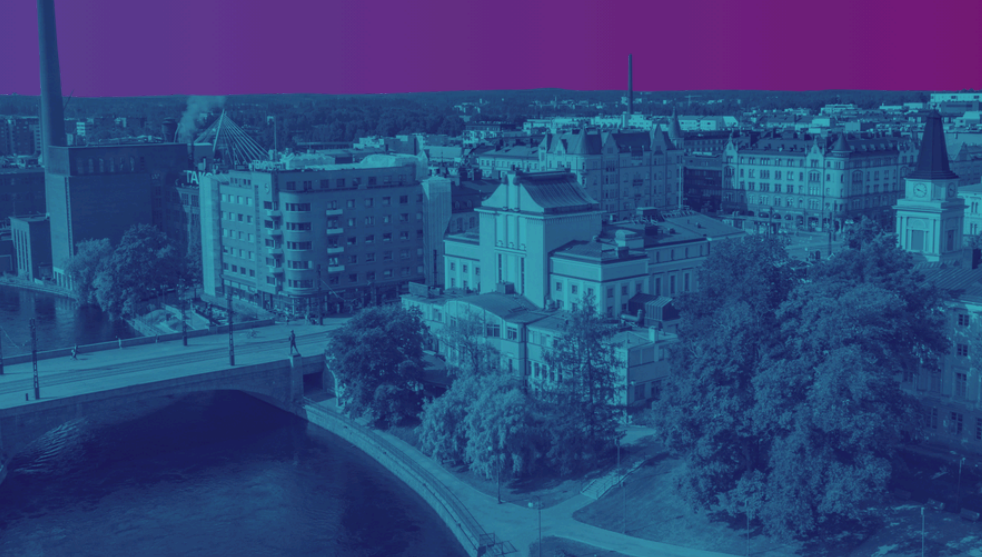
Tampere is located in south-west Finland, roughly 160 kilometres north of Helsinki. It is the country’s third largest city with ca. 263 000 inhabitants. Tampere is a popular urban, economic, and cultural centre. The city has a vibrant cultural and creative sector. In 2026, the European Commission named Tampere the European Capital of Smart Tourism, recognising the city for its digital services, sustainable tourism initiatives, and rich intangible cultural heritage
Tampere holds an established status as a strong city of performing arts with a broad and diverse ecosystem and a notable concentration of education, up to doctoral level, in performing arts with degrees in theatre, music, film and television, and cultural production. Tampere Theatre Festival (Tampereen teatterikesä) is the largest theatre festival in the Nordic countries gathering tens of thousands of visitors. The key challenge forthe city is that innovation policies and support structures are first only emerging in the cultural sectors while in the region’s technology-driven fields those are more developed.
Developing meaningful intersections between the performing arts and other sectors to drive innovation leads to the development of crosssectorial networks, the exchange of knowledge, skills and perspectives. It can bring, for example:
- Critical reflection on the impact of practices;
- Experiential citizen science through practices and knowledge;
- Improved product or service development;
- Inclusive innovation in scientific development; innovative business ideas and sustainable organisations.