AI and Cultural and Creative Industries
 New European Bauhaus – CCIs enabling green transition
 Immersive Media
 Crafts-led Innovation
 Platformisation of the Music Industry
 Inclusivity in Video Game Industry
 Cross-Innovation with Performing Arts
 Fashion Transition: Eco-Design for Circularity
 Cultural Heritage Institutions within Open Innovation Ecosystems
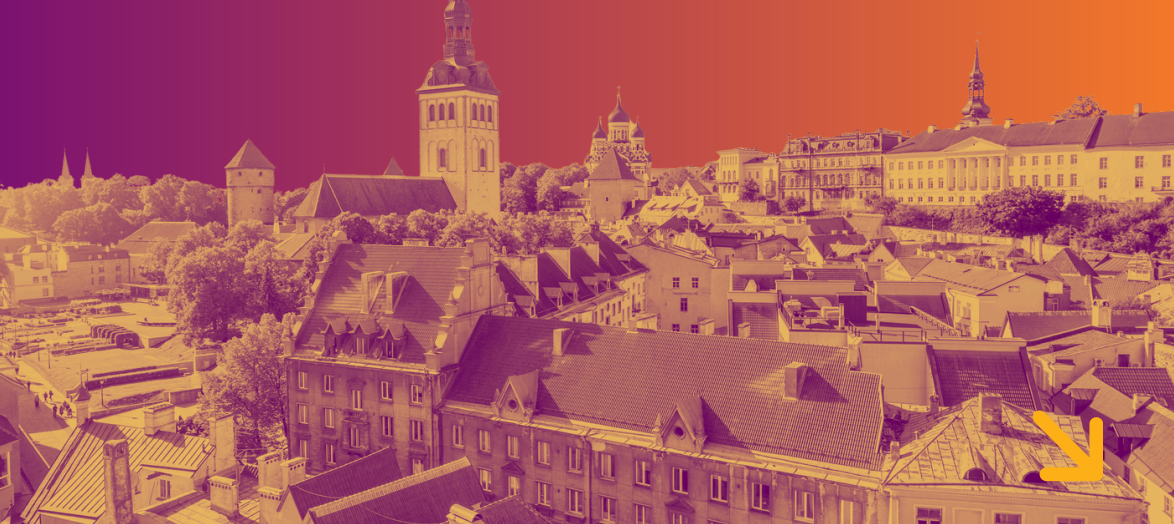
City Case Description: Tallinn & Cultural Heritage Organisations as Innovation Leaders
What happens when one of the world’s most digitised cultural sectors struggles to turn data into dialogue? In Tallinn, cultural and educational actors explore how digital heritage can become a platform for collaboration, learning, and sustainable futures thinking.
-
Author
- ekip (2025)
-
Audience
-
Geographical scope
-
Region
-
Resource type
How does “prototyping” work?
This City Case Description is the outcome of a policy prototyping exercise within a city ecosystem.
Once the ekip research team has explored a policy area and its connection to cultural and creative
industries (CCIs) and innovation, we ask: what would this mean in a local city context?
Together with local stakeholders, we test how a draft policy recommendation might stimulate innovation. Using Portfolio Sensemaking, stakeholders simulate an innovation portfolio, analyse the strengths and gaps of the local support system, and identify what resources are needed to realise the portfolio.
TallinN Context & Area of Focus
Estonia’s cultural heritage organisations are highly digitized but underused as active spaces for societal dialogue. There’s a growing need to connect science, culture, and public engagement — especially around climate change, sustainability, and social cohesion. While the national government supports digitalization, there’s no framework for creative use of technologies (AI, VR) in cultural or educational contexts.
Innovation here is driven by bottom-up institutional creativity (museums, universities) within a policy vacuum that lacks dedicated funding and coordination.
The challenge is to transform digital heritage from a static archive into a dynamic platform for futures thinking. Education and cultural sectors remain fragmented. Current systems are project based and short-term, with interoperability and copyright challenges blocking broader use.
The innovation emerges in a national context of strong digital potential but weak sectoral integration, where libraries could become bridging institutions linking CH data, schools, and lifelong learning ecosystems.