AI and Cultural and Creative Industries
 New European Bauhaus – CCIs enabling green transition
 Immersive Media
 Crafts-led Innovation
 Platformisation of the Music Industry
 Inclusivity in Video Game Industry
 Cross-Innovation with Performing Arts
 Fashion Transition: Eco-Design for Circularity
 Cultural Heritage Institutions within Open Innovation Ecosystems
 New funding models for creativity and innovation
 Spaces, infrastructures, and ecosystems for CCIs
 Reimagining Deep-Tech
 Digital Commons
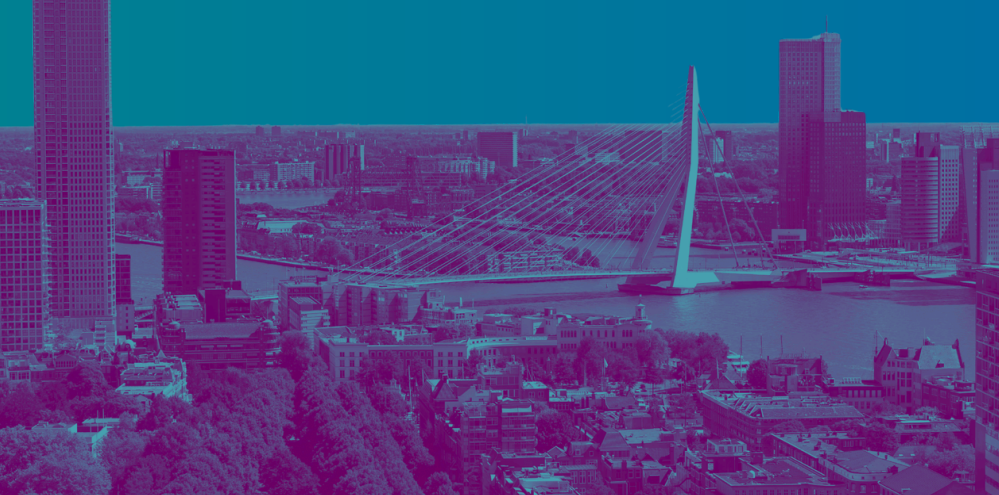
City Case Description: Rotterdam & Ecodesign
What role can a medium-sized public factory play for circular re-industrialisation in a city where the fashion and textile ecosystem is growing but fragmented? Policy makers and local stakeholders in Rotterdam’s M4H-area explore this by prototyping innovation policy.
-
Author
- ekip (2025)
-
Audience
-
Geographical scope
-
Region
-
Resource type
How does “prototyping” work?
This City Case Description is the outcome of a policy prototyping exercise within a city ecosystem.
Once the ekip research team has explored a policy area and its connection to cultural and creative
industries (CCIs) and innovation, we ask: what would this mean in a local city context?
Together with local stakeholders, we test how a draft policy recommendation might stimulate innovation. Using Portfolio Sensemaking, stakeholders simulate an innovation portfolio, analyse the strengths and gaps of the local support system, and identify what resources are needed to realise the portfolio.
Rotterdam Context & Area of Focus
In 2015-2016 was an important exhibition ‘The Temporary Fashion Museum’ in Rotterdam. Since then, the fashion- and textile sector is growing, as presented in the research of Mariangela Lavanga. These developments are also visible: the independent designers have their workshops and shops, a big co-working space – De Wasserij – opened in 2019, the schools and universities offering a fashion and textile programme are working more together and since 2022 is the Sustainable Fashion Week more present. So these developments are also connected to the more sustainable approach in fashion and textile.
In Rotterdam we focused in this case on the challenge of complex and fragmented supply chains, and the absence or decline of local manufacturing. On the other hand was also the opportunity for re-industrialisation.
Together we explored a medium-sized factory to house key players, machinery, and infrastructure for the fashion & textile industry. And what kind of policy is needed to support this.