City Case Description: Debrecen & Music Led Innovation
How can live music become a driver for a more vibrant and livable city? This Debrecen case study explores how policy prototyping and portfolio thinking helped local stakeholders strengthen collaboration across the city's music ecosystem, connecting culture with education, community building, audience development, and talent retention.
-
Author
- ekip (2026)
-
Audience
-
Geographical scope
-
Region
-
Resource type
How does “prototyping” work?
This City Case Description is the outcome of a policy prototyping exercise within a city ecosystem.
Once the ekip research team has explored a policy area and its connection to cultural and creative
industries (CCIs) and innovation, we ask: what would this mean in a local city context?
Together with local stakeholders, we test how a draft policy recommendation might stimulate innovation. Using Portfolio Sensemaking, stakeholders simulate an innovation portfolio, analyse the strengths and gaps of the local support system, and identify what resources are needed to realise the portfolio.
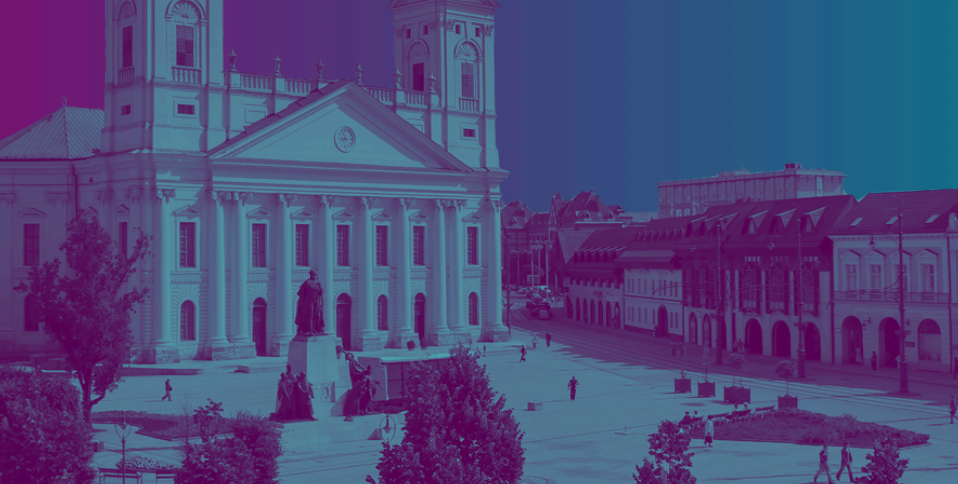
Debrecen Context & Area of Focus
Debrecen sees itself as a capital of music in Hungary and hosts Campus Festival, the country’s largest. It has roughly 600–700 active performers, a large and growing university (8,000+ international students), and a live municipal grant scheme. But the scene is fragmented: performers are unorganised, the 2019 city music strategy has been forgotten, and the Popular Music Roundtable meets only once or twice a year as a “nice-to have” rather than a working body.
A provincial, stay-at-home mindset limits live attendance, and there is no dedicated music department in the city. Uniting Debrecen’s live-music scene around a shared agenda — using the city as a “playground” — so it can see itself, coordinate, and grow. The immediate step is to make the Popular Music Roundtable regular and wider, producing a real action plan and reviving the 2019 strategy.
The work spans audience development, education, shared communication, community building, and sustainable events — aimed at a more livable city that retains young talent.