AI and Cultural and Creative Industries
 New European Bauhaus – CCIs enabling green transition
 Immersive Media
 Crafts-led Innovation
 Platformisation of the Music Industry
 Inclusivity in Video Game Industry
 Cross-Innovation with Performing Arts
 Fashion Transition: Eco-Design for Circularity
 Cultural Heritage Institutions within Open Innovation Ecosystems
 New funding models for creativity and innovation
 Spaces, infrastructures, and ecosystems for CCIs
 Reimagining Deep-Tech
 Digital Commons
Scaffolding Co-Creation: The Hunt Museum Living Lab
This case study shares how the Hunt Museum in Limerick, Ireland tested a Living Lab methodology as a way to facilitate ‘true co-creation’ and develop participatory business models. It explores how this methodology can provide infrastructure for innovation, by offering an open-ended, yet scaffolded approach to iteration and co-creation.
-
Author
- Kelly Hazejager, ekip (2026)
-
Audience
-
Geographical scope
-
Region
-
Resource type
“The crux of innovation is understanding
where you need to go, and what you need
to actually get there”
– Úna Hussey, Hunt Museum
Introduction
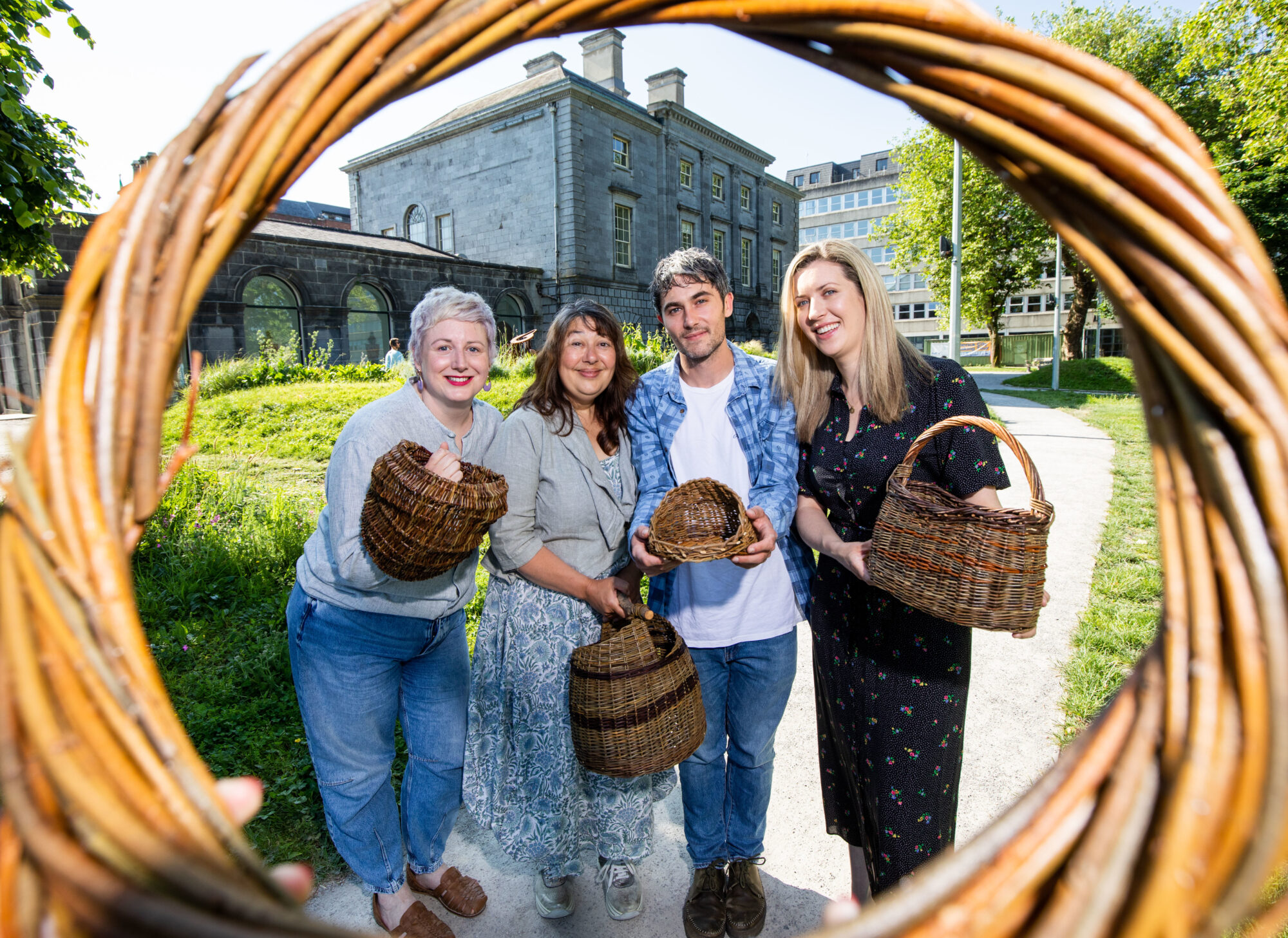
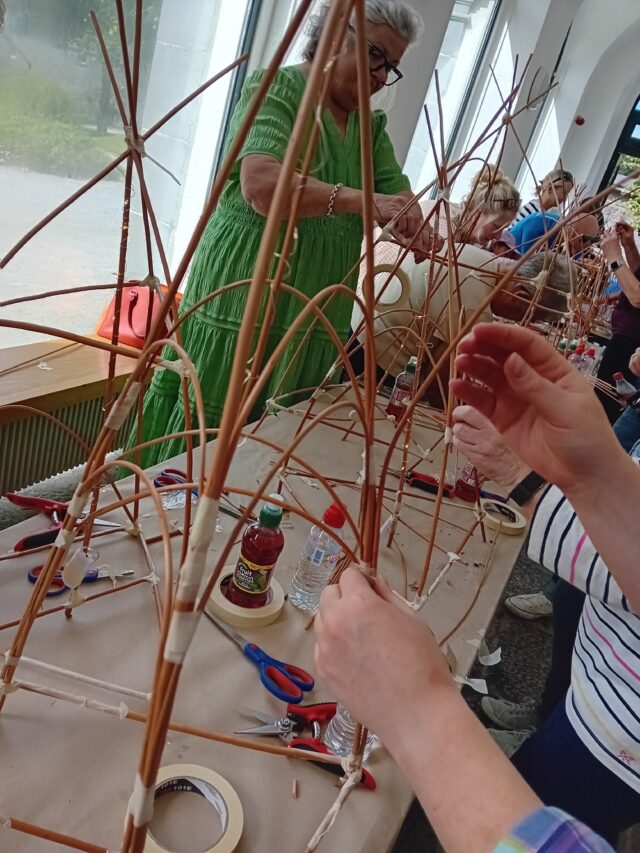
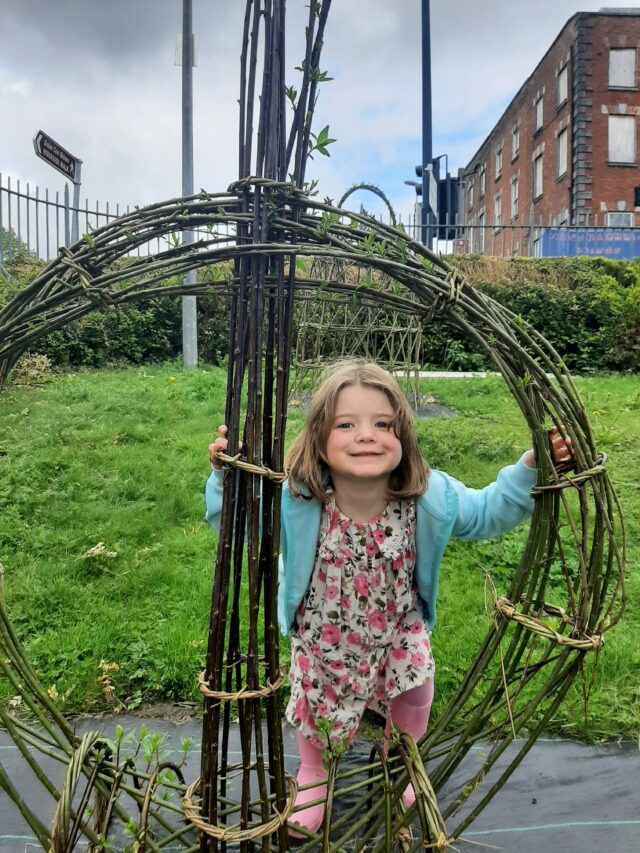
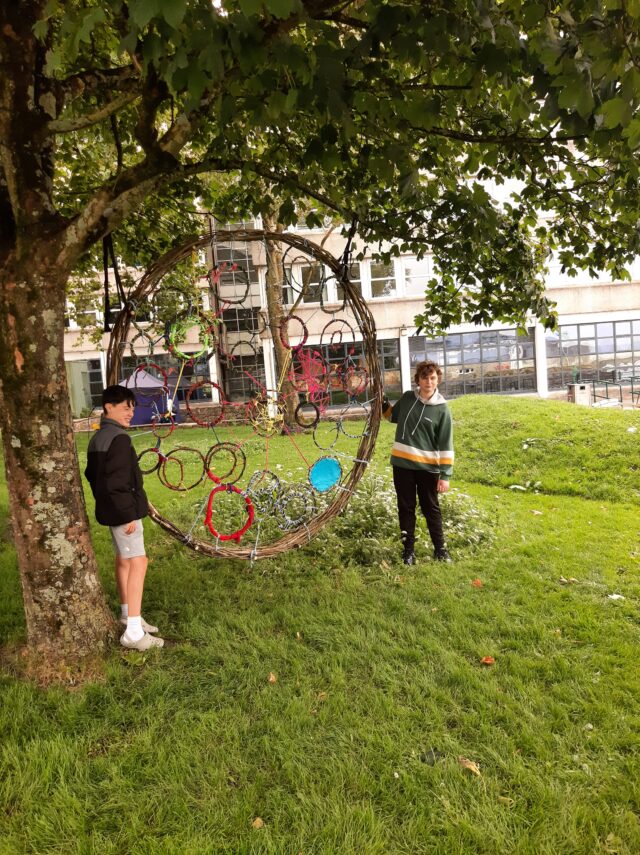
The Hunt Museum in Limerick, Ireland was one of nine cultural heritage institutions to test a Living Lab methodology for the RECHARGE project. This approach focused on developing participatory business models through an iterative co-creation process. At the Hunt, this methodology took shape as the pioneering ‘Weaving Willow’ project, which successfully brought together the museum’s Climate and Sustainability plans with existing community collaborations and socially responsible corporate partnerships (initially with Cook Medical and later with SISK). The project delivered a number of willow weaving workshops to the community and employees at Cook Medical, created a variety of sculptures based on the museum’s collection, and developed a storytelling trail to learn about five of the created sculptures.
This case study explores how a Living Lab methodology can provide infrastructure for innovation, by offering an open-ended approach for scaffolding co-creation and iteration with stakeholders. As the Hunt Museum had already invested in building relationships with their local communities and neighbours, such as by bringing in their collection of art and antiquities as tools or routes for discussing local heritage and experiences, the existing relationships and trust helped create momentum for experimentation.
Úna Hussey, the Project Manager for the RECHARGE project at the Hunt, shares her thoughts on innovation in the cultural heritage sector, and how cultural heritage organisations can be part of developing the infrastructure needed to support it.
Organisational Context
The RECHARGE project and their application of the Living Lab methodology was born out of a recognisable problem – it is challenging to maintain long-term relationships with community partners once a project ends. The Hunt Museum centres participatory approaches across their programmes and objectives and looks for opportunities to develop sustainable partnerships. So rather than approaching innovation from the perspective of implementing new technologies or developing new products, here the “crux of innovation is understanding where you need to go, what you have to get there, and what you actually need [from others] to get there”. Involving citizens in decision-making processes is also innovative.
The Living Lab methodology that was tested and developed in RECHARGE offered both a way of diversifying funding and sustaining collaboration, and a process and space for bringing stakeholders together to truly co-create, without preconceived ideas or plans for a project.
Challenges and opportunities
A recurring challenge not only in the cultural heritage sector is how to maintain long-term relationships with community partners once a project, and its funding, concludes. Additionally, many cultural heritage institutions find themselves having to constantly re-establish or innovate what they’re about in order to stay relevant or even survive. The Hunt Museum Living Lab was initiated with these and the following challenges in mind: wanting to collaboratively address the antisocial behaviour in the museum garden, a public space, and to tap into Corporate Social Responsibility (CSR) budgets to find a more meaningful way to involve corporate partners in their work. With this premise and through co-ideation sessions with community members, Irish museums, and corporate partners, the Weaving Willow project was created.
In order to foster a robust local ecosystem, maintaining the relationships the Hunt Museum has is a key pillar in their Living Lab approach. They wished to position themselves as a more active player in the local social and economic development, and demonstrate the role that cultural heritage institutions can play more broadly in society in fostering community-centred innovation. They also wanted to test how to tackle some of the recurring challenges of collaboration, such as the risks brought by personnel changes and loss of partners, and the frustration of decision-making bottlenecks.
Open innovation ecosystems
The Living Lab approach facilitated a process of ‘true co-creation’, where using a participatory approach to business model development lays the foundation for open innovation. The organisations and people that tried out the Living Lab approach, recognised how unique it was. ‘True co-creation’, where everyone’s voices on culture were equally important, was unfamiliar for all the partners, even the museums.
Humanli, a partner of the Hunt Museum, played a crucial role in connecting the right people and understanding what is needed to get them in the room. Research was needed to identify corporations who would be willing to contribute resources to the initiative and would want to be active in co-creation. For the museums and cultural heritage institutions who were part of the Living Lab, a pre-meeting was held to build a shared vision and develop confidence in what cultural heritage institutions bring to the table. So while nobody knew what to expect when entering the Living Lab setting, the preparatory work of alignment and vision building created an environment where stakeholders were open to exploring how they could work together. Furthermore, it can be a challenge to keep partners engaged long-term and Living Labs provide a timeline for working together, scaffolding collaboration.
Measurable outcomes
Taking a critical and pragmatic approach to KPIs (Key Performance Indicators) was an important part of the Living Lab process. The Hunt Museum already reports on innovation as part of their regular workflows, so it was especially interesting to note what the long-term impact of the Living Lab approach was in relation to engaging stakeholders in co-creation. Throughout the 3-year process of the Hunt Museum Living Lab, several possibilities grew out of the initial co-ideation sessions. Community members who took part in the initial willow weaving programme, independently created their own programming. Corporate partners also approached the Hunt Museum to inquire about future collaboration opportunities.
*The image persists in the cultural heritage sector that innovation is most strongly related to the implementation and development of technological ‘solutions’.*
More broadly, the Hunt Museum’s participation in the RECHARGE project demonstrates a replicable approach to its neighbours and fellow cultural heritage institutions.
For more information on Hunt’s Weaving Willow Project see here.