AI and Cultural and Creative Industries
 New European Bauhaus – CCIs enabling green transition
 Immersive Media
 Crafts-led Innovation
 Platformisation of the Music Industry
 Inclusivity in Video Game Industry
 Cross-Innovation with Performing Arts
 Fashion Transition: Eco-Design for Circularity
 Cultural Heritage Institutions within Open Innovation Ecosystems
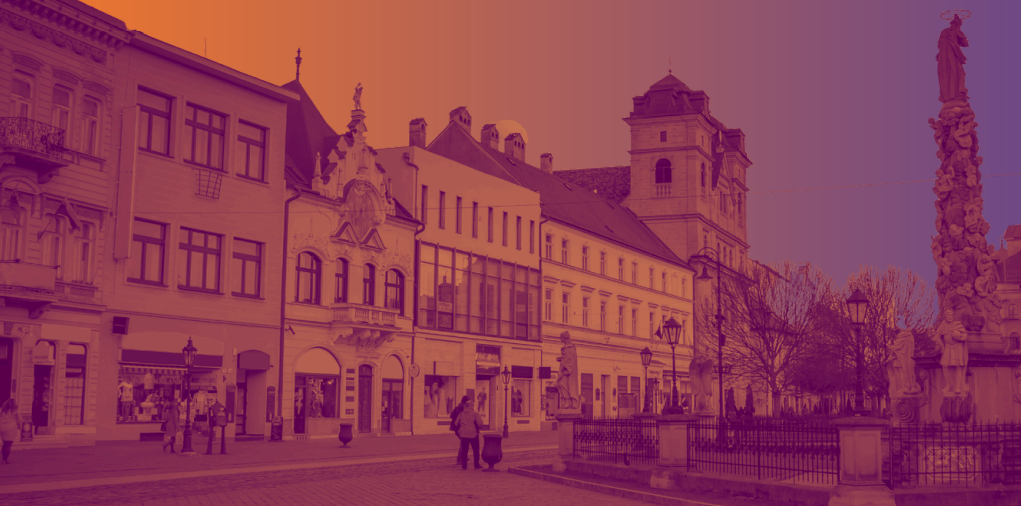
City Case Description: Košice & Cultural Heritage Organisations as Innovation Catalysts
How might cultural heritage organisations respond to changing visitor expectations while strengthening their role in regional development? In Košice, policy makers and local stakeholders explored how innovation in heritage institutions could act as a catalyst within the city’s cultural and creative ecosystem.
-
Author
- ekip (2026)
-
Audience
-
Geographical scope
-
Region
-
Resource type
How does “prototyping” work?
This City Case Description is the outcome of a policy prototyping exercise within a city ecosystem.
Once the ekip research team has explored a policy area and its connection to cultural and creative
industries (CCIs) and innovation, we ask: what would this mean in a local city context?
Together with local stakeholders, we test how a draft policy recommendation might stimulate innovation. Using Portfolio Sensemaking, stakeholders simulate an innovation portfolio, analyse the strengths and gaps of the local support system, and identify what resources are needed to realise the portfolio.
Košice Context & Area of Focus
Košice is a regional cultural hub in eastern Slovakia with a dense concentration of museums, galleries, libraries, and heritage institutions, supported by universities, creative professionals, and an active tourism sector.
While the city and region benefit from strong cultural assets and international networks, cultural heritage organisations operate under financial pressure, ageing infrastructure, and limited capacities in audience development, digitalisation, and cross-institutional cooperation.
At the same time, visitor expectations are changing toward more participatory, inclusive, and experiential forms of engagement, creating both pressure and opportunity for innovation.
The area of focus is innovation in cultural heritage organisations as catalysts for regional development, with an emphasis on strengthening relationships with visitors and communities. This includes visitor-centred services, participation and co-creation, inclusion and accessibility, and the use of digital and hybrid tools, combined with capacity building and stronger regional coordination. The aim is to transform heritage institutions from primarily custodial organisations into socially relevant, collaborative, and resilient actors that contribute to education, social cohesion, tourism, and the long-term attractiveness of the Košice region.