City Case Description: Celje & Infrastructures for CCIs
What happens when cultural infrastructure becomes a platform for connection rather than just a collection of spaces? In Celje, policymakers and local stakeholders explored how better coordination, shared resources, and flexible residency models could connect artists, communities, and institutions to create a more open and attractive city.
-
Author
- ekip (2026)
-
Audience
-
Geographical scope
-
Region
-
Resource type
How does “prototyping” work?
This City Case Description is the outcome of a policy prototyping exercise within a city ecosystem.
Once the ekip research team has explored a policy area and its connection to cultural and creative
industries (CCIs) and innovation, we ask: what would this mean in a local city context?
Together with local stakeholders, we test how a draft policy recommendation might stimulate innovation. Using Portfolio Sensemaking, stakeholders simulate an innovation portfolio, analyse the strengths and gaps of the local support system, and identify what resources are needed to realise the portfolio.
Celje Context & Area of Focus
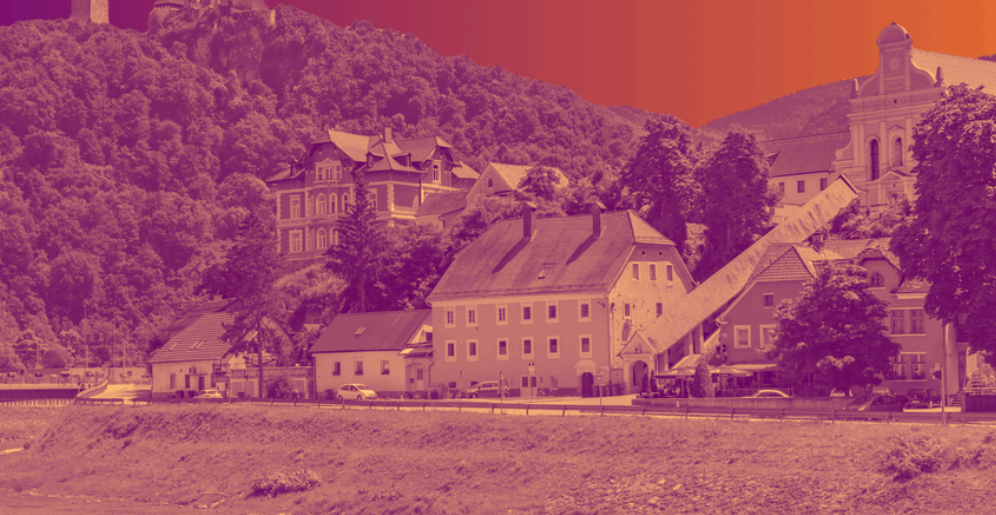
Celje is a mid-sized Slovenian city where the technical infrastructure for culture largely exists, but coordination does not. Cultural infrastructure is owned by the Municipality yet managed by several public institutions at different levels, with no one overseeing the system as a whole.
The Municipality holds usable assets (6 flats, a youth hostel, an existing UNESCO residency programme, and maintenance manpower) but studios sit unused by local artists, locals rarely attend residency activities, and funding is short term and heavily reliant on state funds that can be withdrawn. The result is empty spaces and brain drain.
Coordinating and sharing Celje’s existing municipal infrastructure under a single institutional roof — “DOM” (Home) — that connects space, content, and community rather than building new institutions. The immediate vehicle is a flexible “guest room” residency model (short, agile stays alongside longer residencies), opened to local artists and tied to the wider community. The work treats accessibility, hospitality, coordination, and talent retention as the levers for a more livable, connected city — with the long-term ambition of becoming a European Capital of Culture.