AI and Cultural and Creative Industries
 New European Bauhaus – CCIs enabling green transition
 Immersive Media
 Crafts-led Innovation
 Platformisation of the Music Industry
 Inclusivity in Video Game Industry
 Cross-Innovation with Performing Arts
 Fashion Transition: Eco-Design for Circularity
 Cultural Heritage Institutions within Open Innovation Ecosystems
City Case Description: Bratislava & New European Bauhaus
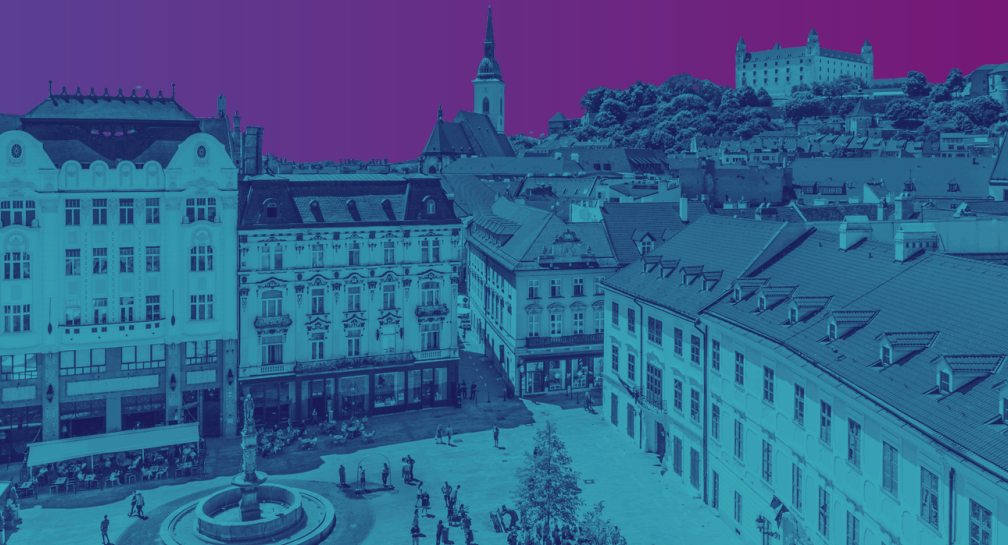
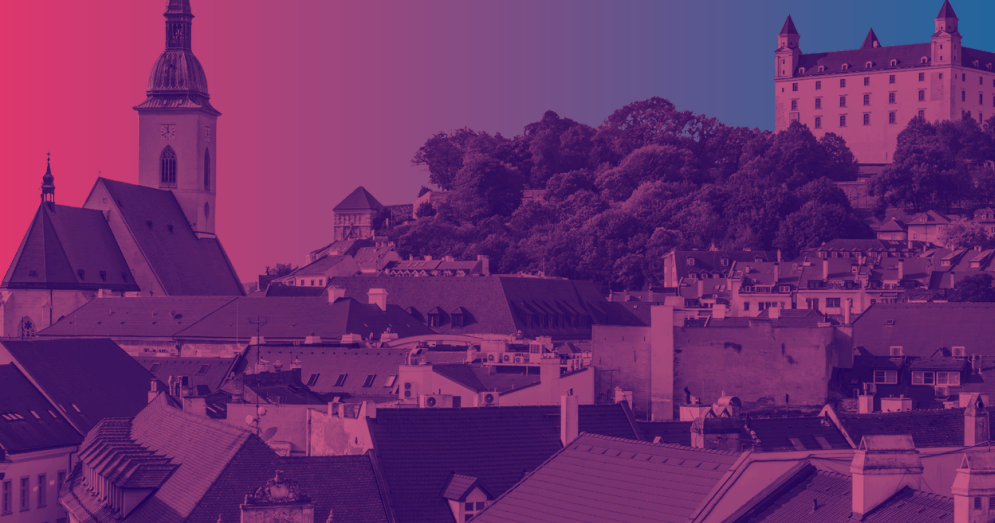
As Slovakia’s economic and cultural hub, Bratislava’s thriving creative sector, accounting for over 40% of the nation’s CCI enterprises, plays a crucial role in shaping its future. This City Case Description explores how Bratislava integrates cultural and creative industries (CCI) into urban innovation under the New European Bauhaus (NEB) framework.
-
Author
- ekip (2025)
-
Audience
-
Geographical scope
-
Region
-
Resource type
How does “prototyping” work?
This City Case Description is the outcome of a policy prototyping exercise within a city ecosystem.
Once the ekip research team has explored a policy area and its connection to cultural and creative
industries (CCIs) and innovation, we ask: what would this mean in a local city context?
Together with local stakeholders, we test how a draft policy recommendation might stimulate innovation. Using Portfolio Sensemaking, stakeholders simulate an innovation portfolio, analyse the strengths and gaps of the local support system, and identify what resources are needed to realise the portfolio.
BRATISLAVA Context & Area of Focus
Bratislava context underscores the importance of contextualizing NEB initiatives at the district level, ensuring that interventions are tailored to the unique characteristics and needs of each community. Engagement of NGOs, developers, public sector entities, retailers, transport operators, local government, academia, and educational institutions is crucial. Leveraging primary schools as hubs for community activities, sports, and leisure, thereby strengthening community ties.
Participants advocated for a smart city paradigm where residents find all necessary amenities within their district, reducing the need for long commutes and enhancing urban livability.
Challenges Identified:
- Outdated laws, norms, and standards hindering progressive urban planning.
- Inflexible public transport systems not meeting the evolving needs of residents.
Opportunities Highlighted:
- Generational shifts offering fresh perspectives and innovative solutions.
- Reuse of existing spaces, including brownfields, to reduce urban sprawl.
- Visionary projects integrating parks, city forests, and natural landscapes like the Bratislava Forests, the Danube River, and the Carpathians.