AI and Cultural and Creative Industries
 New European Bauhaus – CCIs enabling green transition
 Immersive Media
 Crafts-led Innovation
 Platformisation of the Music Industry
 Inclusivity in Video Game Industry
 Cross-Innovation with Performing Arts
 Fashion Transition: Eco-Design for Circularity
 Cultural Heritage Institutions within Open Innovation Ecosystems
City Case Description: Bratislava as a Child Friendly City
What does it mean to design a city with children as active urban users? In Bratislava, policy makers and local stakeholders explored how a child-friendly city approach could support safer mobility, more inclusive public spaces, and the meaningful participation of children in urban planning and decision-making.
-
Author
- ekip (2026)
-
Audience
-
Geographical scope
-
Region
-
Resource type
How does “prototyping” work?
This City Case Description is the outcome of a policy prototyping exercise within a city ecosystem.
Once the ekip research team has explored a policy area and its connection to cultural and creative
industries (CCIs) and innovation, we ask: what would this mean in a local city context?
Together with local stakeholders, we test how a draft policy recommendation might stimulate innovation. Using Portfolio Sensemaking, stakeholders simulate an innovation portfolio, analyse the strengths and gaps of the local support system, and identify what resources are needed to realise the portfolio.
Bratislava Context & Area of Focus
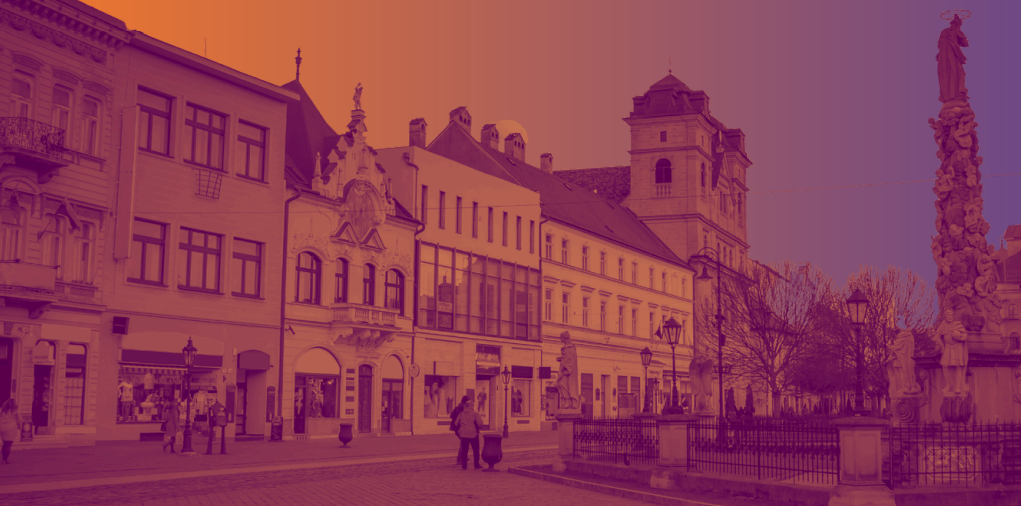
Bratislava is the capital city of Slovakia, characterized by rapid urban development, growing suburbanization, and increasing pressure on mobility, public space, and social infrastructure. While the city has made visible progress in urban planning, participation, and public space transformation, children, especially those aged 0–12, are still often treated primarily as dependents rather than as active city users.
Car-oriented mobility, fragmented public spaces, and adult-centered decision-making limit children’s independent movement, play, and participation. At the same time, there is strong institutional capacity, engaged civil society, and political willingness to experiment with new approaches, creating favorable conditions for systemic innovation.
The main area of focus is the development of Bratislava as a child-friendly city, with specific
attention to children aged 0–12. This includes strengthening children’s independent and safe mobility, improving the quality and accessibility of public spaces and school surroundings, and
embedding children’s perspectives into urban planning and policy-making. The focus goes
beyond infrastructure to address cultural and systemic change—shifting mindsets from “children
as objects of care” to “children as partners.” Key themes include child participation, road safety,
inclusive urban design, communication with parents and the public, and cross-sector collaboration between the city, schools, NGOs, communities, and the creative sector.