City Case Description: Saint-Étienne, Performing Arts & AI
What happens when a city known for its industrial heritage and creative culture brings artificial intelligence into the performing arts? In Saint-Étienne, stakeholders explore how AI can enrich artistic practice and drive cultural innovation.
-
Author
- ekip (2025)
-
Audience
-
Geographical scope
-
Region
-
Resource type
How does “prototyping” work?
This City Case Description is the outcome of a policy prototyping exercise within a city ecosystem.
Once the ekip research team has explored a policy area and its connection to cultural and creative
industries (CCIs) and innovation, we ask: what would this mean in a local city context?
Together with local stakeholders, we test how a draft policy recommendation might stimulate innovation. Using Portfolio Sensemaking, stakeholders simulate an innovation portfolio, analyse the strengths and gaps of the local support system, and identify what resources are needed to realise the portfolio.
Saint-Étienne Context & Area of Focus
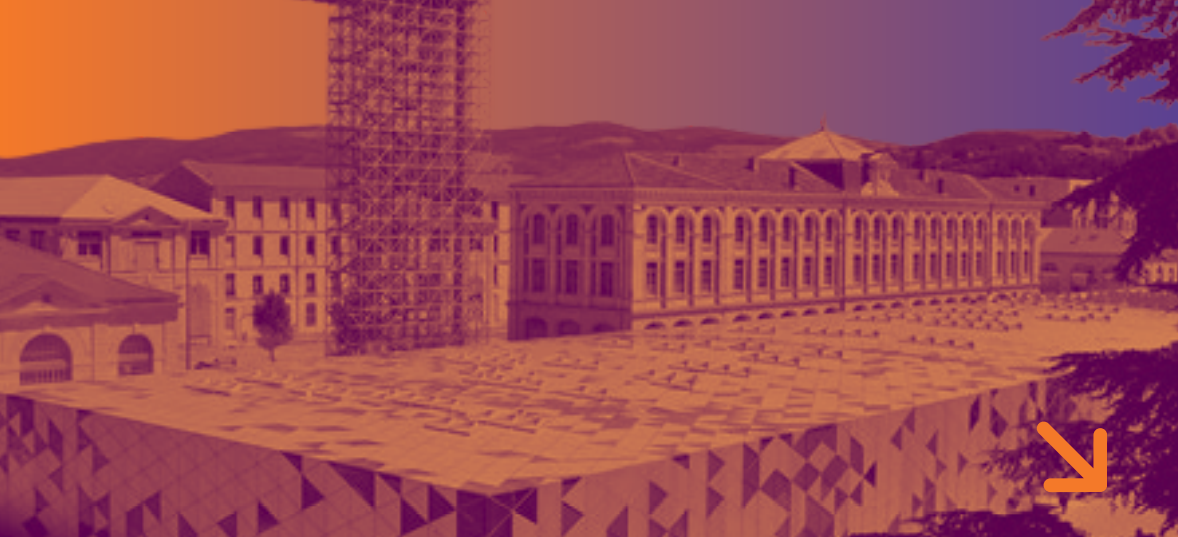
Rooted in a strong industrial heritage, Saint-Étienne has gradually reinvented itself and, since 2010, has been recognised as a UNESCO Creative City. This distinction has stimulated the growth of the cultural and creative industries in the region, supported by a network of performance venues historically linked to the working class and its popular entertainment culture.
At the same time, the city seeks to highlight its strengths in emerging technologies — particularly in the field of artificial intelligence — thanks to the presence of higher-education institutions and an ecosystem of innovative companies. Today, Saint- Étienne aims to build bridges between these two forces: artistic creativity and technological innovation. The ambition is to evolve cultural practices, enhance the city’s attractiveness, remain competitive in an international context, and explore new forms of artistic expression and mediation.
While artificial intelligence is not a new topic in the performing arts, its potential as a tool for artistic creation, production, and mediation remains largely to be explored. Our approach seeks to understand what unfolds when the performing arts intersect with AI technologies, and how this hybridisation can transform the ways performance is conceived, disseminated, and experienced.
Far from replacing artists, AI should be viewed as an opportunity: a driver of innovation, a catalyst for
imagination, and a tool that enriches artistic processes while opening new aesthetic and organisational
perspectives. Its integration concerns a wide range of professions — artists, engineers, producers, educators, technicians, as well as administrative and communications teams — and affects areas from stage production and resource management to the development of immersive experiences and ethical
reflection.
The objective: to promote informed and responsible adoption of AI at all levels, ensure inclusivity in the face of technological change, and anchor these developments within a thoughtful legal, social, and cultural framework that supports creativity, strengthens skills, and accompanies the transformation of the sector.