AI and Cultural and Creative Industries
 New European Bauhaus – CCIs enabling green transition
 Immersive Media
 Crafts-led Innovation
 Platformisation of the Music Industry
 Inclusivity in Video Game Industry
 Cross-Innovation with Performing Arts
 Fashion Transition: Eco-Design for Circularity
 Cultural Heritage Institutions within Open Innovation Ecosystems
 New funding models for creativity and innovation
 Spaces, infrastructures, and ecosystems for CCIs
 Reimagining Deep-Tech
 Digital Commons
City Case Description: Košice & New European Bauhaus
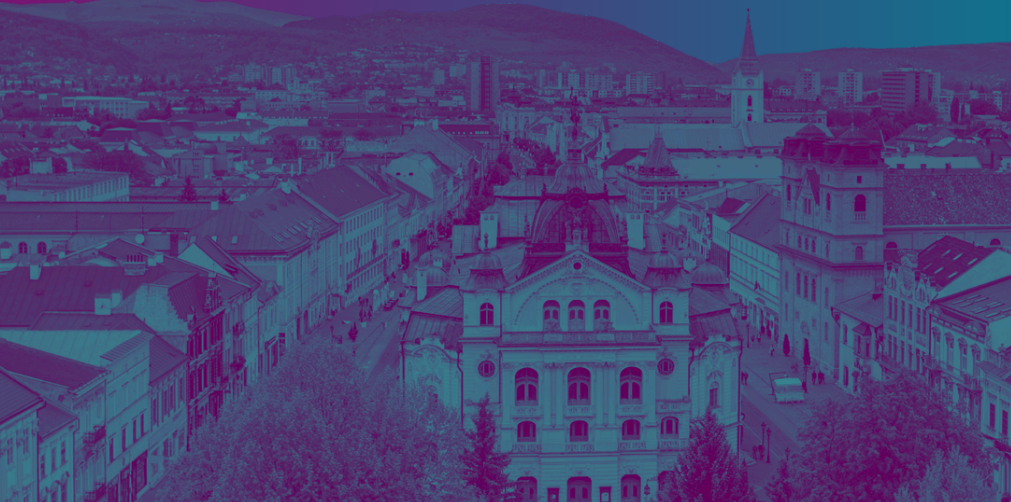
As eastern Slovakia’s economic and cultural center, Košice is shaping its future through a strong creative infrastructure and a commitment to innovation. This City Case Description explores how the city integrates cultural and creative industries (CCI) into urban transformation under the New European Bauhaus (NEB) framework.
-
Author
- ekip (2025)
-
Audience
-
Geographical scope
-
Region
-
Resource type
How does “prototyping” work?
This City Case Description is the outcome of a policy prototyping exercise within a city ecosystem.
Once the ekip research team has explored a policy area and its connection to cultural and creative
industries (CCIs) and innovation, we ask: what would this mean in a local city context?
Together with local stakeholders, we test how a draft policy recommendation might stimulate
innovation. Using Portfolio Sensemaking, stakeholders simulate an innovation portfolio, analyse the
strengths and gaps of the local support system, and identify what resources are needed to realise the
portfolio.
Košice Context & Area of Focus
The EU Comission’s Mission New European Bauhaus connects to the Košice’s ambitions to combine cultural vitality, industrial transformation, and sustainable urban development. Located in eastern Slovakia, the country’s second-largest city with a population of 230,000, Košice is a UNESCO Creative City of Media Arts and a former European Capital of Culture.
The city has a strong foundation in creativity and design, which NEB emphasizes as drivers of beautiful, inclusive, and sustainable living spaces.
At the same time, Košice faces the challenges of energy transition, climate adaptation, and diversification of its industrial base, making the NEB framework a valuable tool for integrating sustainability into the city’s development. By leveraging its universities, cultural and creative industries, and growing innovation ecosystem, Košice can use NEB as a platform to align cultural heritage with future-oriented practices, foster social cohesion, and position itself as a model city for green and inclusive transformation in Eastern Europe.